Dental Emergency Plano TX for Broken Braces and Wires
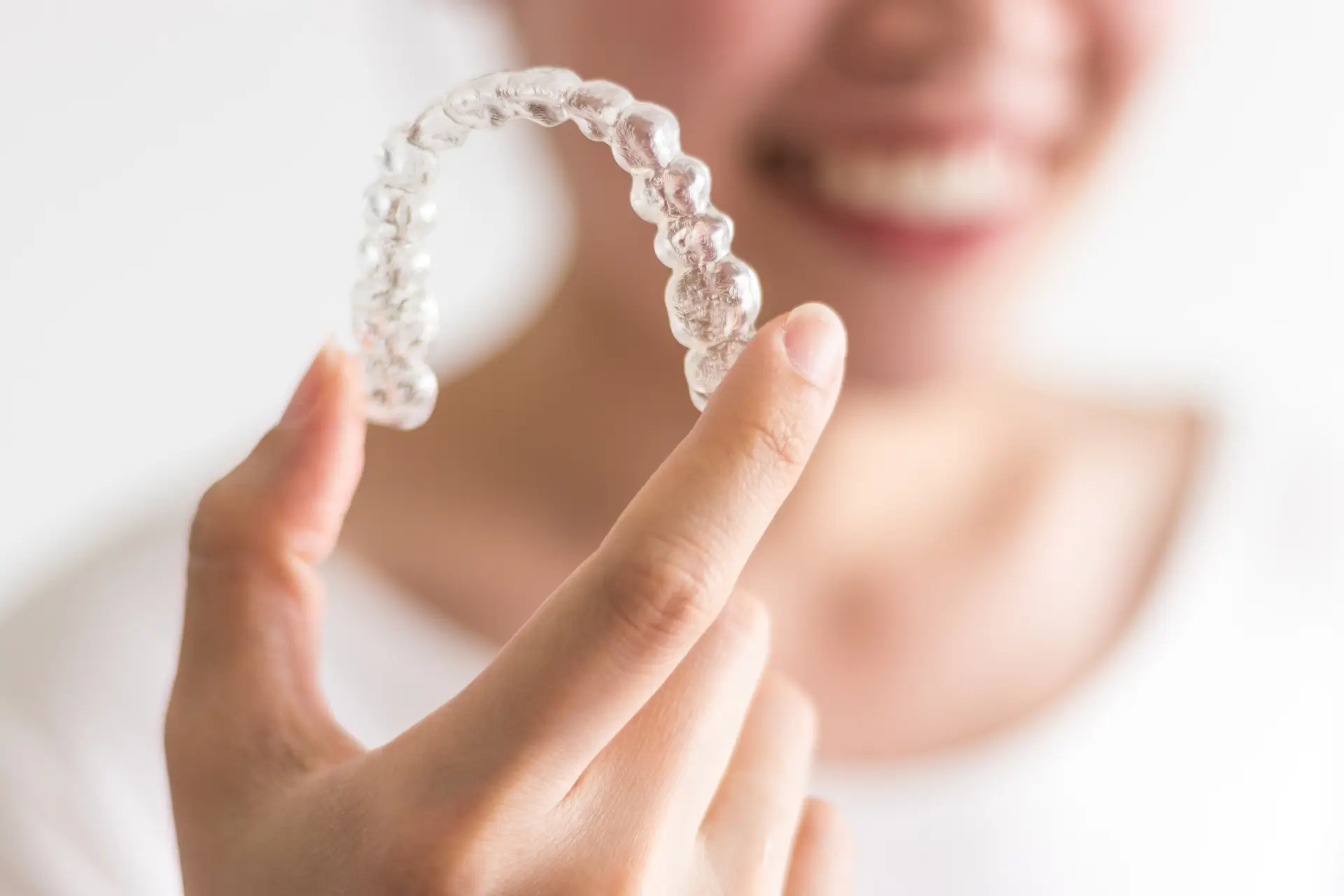
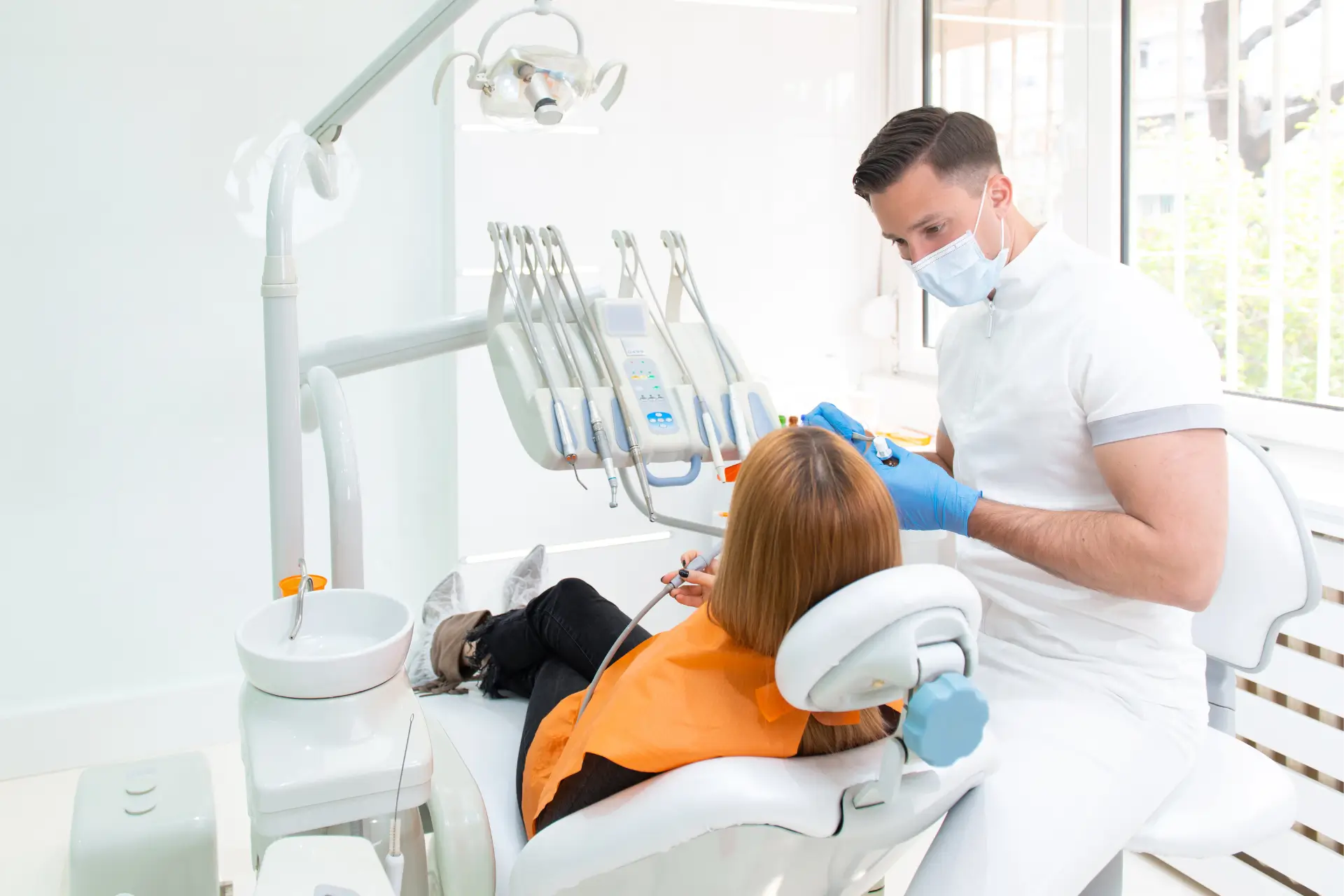
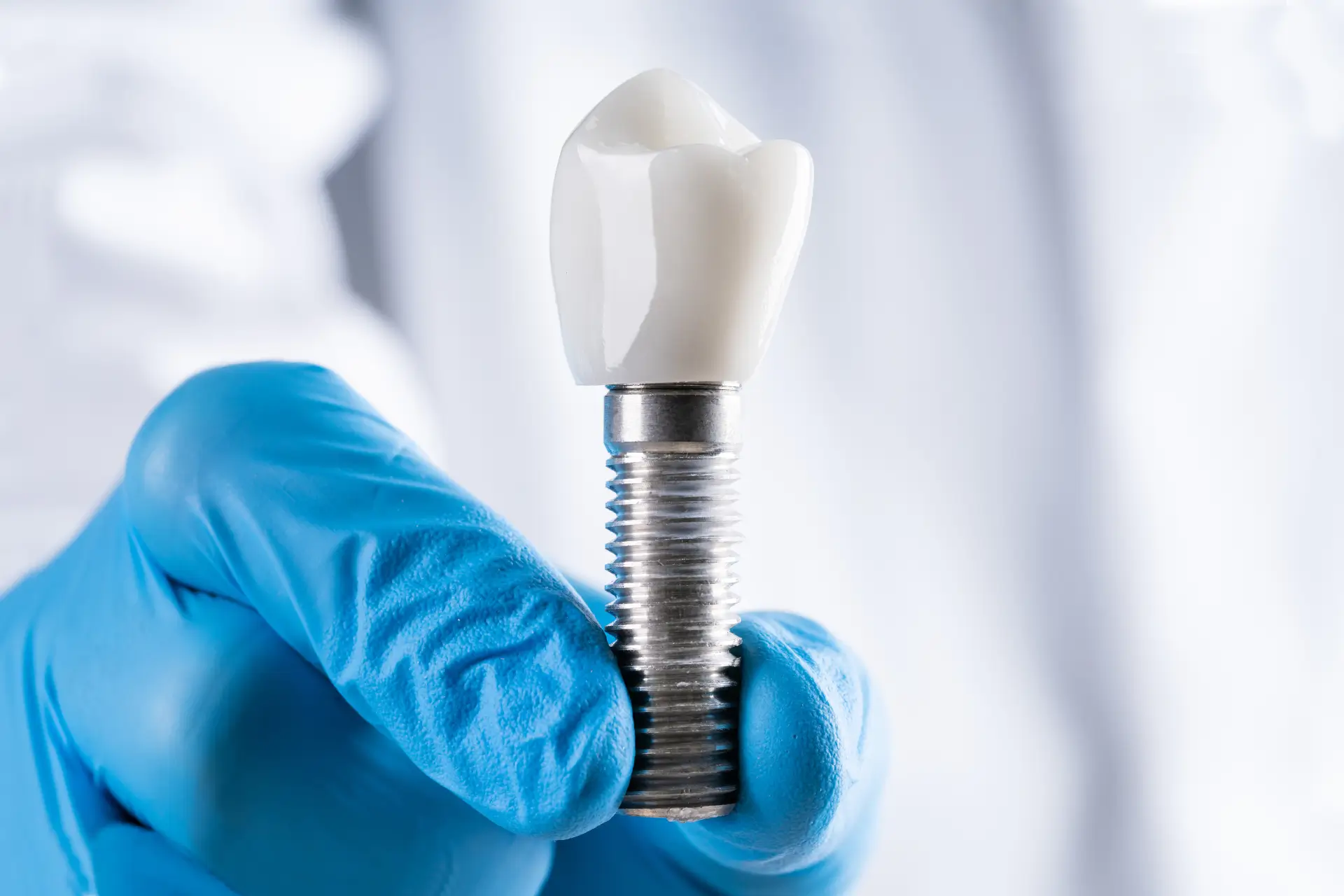
Braces are built to handle years of steady pressure, meals, school days, sports practices, and ordinary wear. Even so, they break. A loose bracket, a wire that slides out of place, or a sharp end poking the cheek can turn a normal afternoon into a genuine dental emergency. When that happens, most people are not wondering about orthodontic theory. They want to know one thing: what do I do right now, and how fast do I need help?
In a busy city like Plano, families often juggle school schedules, work meetings, traffic, and after-school activities. Orthodontic problems rarely arrive at convenient times. A broken wire on a Friday evening or a detached bracket before a big presentation can feel overwhelming, especially if there is pain or bleeding. The good news is that not every orthodontic problem is dangerous, but some definitely need prompt professional attention. Knowing the difference can spare you unnecessary panic and help you protect your teeth, gums, and treatment progress.
When people search for a Dental Emergency Plano TX office because of broken braces, they are usually dealing with one of three problems at once: discomfort, confusion, and timing. The discomfort may be mild irritation or a wire stabbing the inside of the cheek. The confusion comes from not knowing whether this is a true emergency or something that can wait until the next business day. Timing matters because orthodontic appliances work by applying controlled force. When a piece comes loose, the appliance may stop guiding teeth correctly, or worse, start moving them the wrong way.
What counts as an orthodontic emergency
Not every broken bracket deserves a same-minute rush across town. At the same time, not every brace problem should be put off for a week. Good judgment matters.
A true orthodontic emergency usually involves significant pain, active bleeding, swelling, trauma to the mouth, difficulty swallowing, or any situation where a broken appliance creates a risk of injury. A wire embedded into the gum, a bracket torn loose after a hit to the face, or a piece of hardware that may be swallowed should be treated more seriously than a simple loose colored tie.
There is also a middle category, problems that are not life-threatening but still deserve prompt care. These cases often include a poking archwire, a band that has slipped around a molar, or a bracket that is still attached to the wire but no longer bonded to the tooth. They may not send someone to the emergency room, but they can quickly become miserable. Anyone who has spent a night with a wire scraping the inner lip understands that “not life-threatening” does not mean “easy to ignore.”
Then there are minor issues that can usually wait a short time with proper home management. A small elastic coming off, mild tenderness after adjustment, or a bracket that is loose but not painful may fall into this group. The key is monitoring the situation rather than assuming it will fix itself.
The broken braces problems people in Plano call about most often
In everyday practice, broken braces emergencies tend to repeat themselves. The causes are familiar: crunchy foods, sticky candy, sports contact, nail biting, pen chewing, and sometimes simple fatigue in the appliance over time. Patients who are careful still run into trouble. It only takes one popcorn kernel or one accidental elbow during basketball.
A detached bracket is one of the most common calls. Sometimes the bracket stays stuck on the wire and slides back and forth. Sometimes it rotates, which can rub against the lips and make speaking awkward. If it happens on a front tooth, patients are often as worried about appearance as comfort.
Poking wires are another frequent culprit. As teeth shift, the ends of the archwire can begin to extend farther out behind the back teeth. A wire may also slide to one side if a bracket comes loose. In either case, a once-smooth appliance suddenly feels like a needle against soft tissue. The cheek becomes irritated fast, and after several hours it may ulcerate.
Loose bands around molars can be more troublesome than patients expect. Because bands sit around larger teeth and often anchor key parts of the appliance, once they move, they can trap food, irritate gum tissue, and compromise the stability of the braces system.
Less often, an appliance actually breaks into separate pieces. This matters because small parts can be inhaled or swallowed. Most swallowed orthodontic components pass without incident, but inhalation is a different matter altogether and requires immediate medical attention, especially if there is coughing, choking, wheezing, or shortness of breath.
The first few minutes matter
When braces break, the right response is usually calm and practical. Pain tends to rise quickly when a wire irritates the cheek or a bracket shifts unexpectedly, so people make better decisions if they slow down for a moment.
Start by looking carefully in a mirror under good light. If you can, wash your hands first. Try to identify what actually moved. Many patients assume a wire has snapped when it has simply slid, or think a tooth is injured when the discomfort is really coming from a bracket wing rubbing the lip. A quick visual check gives useful information when you call the orthodontic office.
If there is bleeding from trauma, apply gentle pressure with clean gauze. If there is swelling after a blow to the face, a cold compress on the outside of the cheek can help while you arrange care. If a tooth feels loose after impact, that raises the urgency level. Braces can break during trauma, but so can teeth and supporting bone.
When pain is mainly from a sharp orthodontic component, orthodontic wax is often the fastest temporary fix. Dry the area with tissue if possible, roll a small amount of wax, and press it over the sharp spot. Wax does not repair the problem, but it creates a buffer so the soft tissue can stop taking the hit every time you talk or swallow.
Here are practical first-aid steps that are generally safe before you are seen:
- Rinse with warm salt water if the cheek or gum is irritated.
- Cover sharp brackets or wire ends with orthodontic wax.
- Use clean tweezers to gently reposition a loose wire only if it moves easily.
- Take an over-the-counter pain reliever if you normally tolerate it and your physician has not told you to avoid it.
- Call your orthodontic or dental office and explain exactly what broke, where it is, and whether there is swelling, bleeding, or trauma.
One caution from experience: avoid forceful do-it-yourself repairs. Patients sometimes try to clip wires with household tools, glue brackets back on, or bend hardware aggressively. That often creates a bigger problem. Nail clippers and pliers are not sterile, visibility in the back of the mouth is poor, and it is surprisingly easy to nick the gums or distort the appliance.
When it can wait, and when it should not
A parent’s instinct is often either to panic or to minimize the problem. The reality usually sits in between. If the patient is comfortable after wax placement and there was no trauma, many braces issues can wait until the next available orthodontic appointment. If the patient cannot eat, sleep, or close the mouth comfortably, that same issue becomes more urgent.
Some scenarios deserve same-day attention if possible. A wire cutting into the gum and causing persistent pain fits that category. So does a loose expander, a broken appliance that interferes with swallowing, or a bracket and wire arrangement that causes obvious tissue injury. Trauma cases also belong near the top of the list, especially if a tooth was hit, displaced, chipped, or loosened.
On the other hand, a bracket that is loose but still on the wire, without pain, is often inconvenient rather than emergent. It should be addressed, but it may not require after-hours intervention. A lost elastic tie may look dramatic to a child because a color is missing, but it usually is not a crisis by itself.
One practical point often overlooked is treatment delay. Even when something does not hurt much, leaving broken braces unaddressed for too long can add weeks or months to treatment. Teeth respond to consistent forces. Once a bracket is no longer attached correctly, that control changes. The result may be a tooth that stops moving, rotates off course, or requires extra appointments later to correct.
What a dental emergency visit for broken braces may involve
A visit for a braces emergency is usually straightforward, but what happens depends on the nature of the damage. If the issue is a poking wire, the orthodontist may trim or reposition it and add fresh relief wax or protective material. If a bracket has failed but the area is dry enough and the tooth surface is suitable, rebonding may happen that same day. In some cases, especially if there is swelling or moisture control is poor, the bracket may be stabilized temporarily and fully repaired at a follow-up appointment.
For trauma, the exam tends to be broader. The clinician may check tooth mobility, bite changes, gum injury, and whether any teeth were damaged beneath the surface. Braces can complicate trauma assessment because the hardware partly splints teeth together, masking movement that might otherwise be obvious. That is one reason facial injuries with braces should be evaluated carefully rather than casually.
Patients often ask whether they should go to an emergency room or an orthodontic office. If there is trouble breathing, uncontrolled bleeding, severe facial injury, or concern that a piece was inhaled, the emergency room takes priority. If the problem is localized to the braces and the patient is medically stable, an orthodontic or dental emergency provider is usually the more appropriate first stop.
For families searching online under stress, Dental Emergency Plano TX may lead to a general https://rowanziwy114.swiftnestly.com/posts/why-fast-dental-emergency-plano-tx-treatment-matters dentist, an orthodontist, or an urgent dental clinic. The right choice depends on the problem. General dentists often help with pain control, oral injuries, and immediate triage. Orthodontists are best equipped to repair the appliance itself. In many real-world situations, especially after hours, the first available qualified dental professional can provide useful immediate care and guide the next step.
Why broken wires hurt so much
A small wire does not look threatening, yet it can dominate a person’s attention within minutes. The reason is simple anatomy. The inside of the cheeks, lips, and tongue are lined with delicate mucosal tissue that is not built to withstand a constant pointed edge. Unlike skin on the hands, it does not toughen the same way under repetitive friction.
Once a wire starts rubbing, the tissue inflames quickly. Then the swollen area catches on the wire even more. By the time a patient arrives for care, a spot the size of a pencil eraser can feel enormous because every word and every bite pulls on it. I have seen teenagers who tolerate sore teeth with no complaint become genuinely miserable from one untrimmed wire end. That reaction is not dramatic, it is predictable.
Orthodontic wax helps because it changes the shape of the irritating surface. Salt-water rinses help because they keep the area cleaner and slightly soothe inflamed tissue. Neither replaces a proper fix when the hardware is clearly out of place, but both can make the difference between coping for a few hours and feeling desperate.
Special situations parents should not overlook
Children and teens are the most common braces patients, and they do not always describe symptoms accurately. A child may say “my braces are broken” when the real issue is a canker sore, or say “it’s fine” while a wire is buried into the cheek. Looking in the mouth yourself, if the child will allow it, can give essential context.
Sports injuries deserve extra attention. A mouthguard lowers risk, but it does not eliminate it. If braces break after a collision, there may be hidden tooth injury even when the child insists everything feels normal. Watch for a bite that suddenly feels “off,” a tooth that looks longer or shorter than before, or reluctance to bite down. Those clues matter.
Travel is another common complicating factor in Plano families. A bracket loosens the day before a tournament, a vacation, or a college visit. In those situations, temporary management becomes more important. Carrying wax, a small mirror, and the office contact information is not overplanning. It is practical. Patients with braces who travel frequently usually learn that lesson once.
What tends to cause breakage, and how to lower the odds
Most broken braces are not random. They follow patterns. Sticky foods such as caramel and chewing gum can peel brackets loose. Hard foods like nuts, ice, hard pretzels, and popcorn kernels can shear off brackets or distort wires. Non-food habits, especially chewing pens or fingernails, are constant offenders because they apply repeated sideways force in ways braces were never designed to handle.
There is also a timing issue after adjustments. Teeth may be tender for a few days, and some patients switch to softer foods naturally. Once they feel better, they forget and return to crunchy habits. That is when breakage often happens. A bracket bond can be strong, but not strong enough to win against ice crunching.
This short prevention checklist is worth keeping in mind:
- Cut firm foods into smaller bites rather than biting directly with front teeth.
- Skip ice chewing, popcorn kernels, sticky candy, and hard nuts during treatment.
- Wear a mouthguard for contact sports, even during casual practice.
- Keep orthodontic wax at home, in a backpack, and in the car.
- Report loose parts early instead of waiting for the next routine adjustment.
The final point is underrated. Small issues are easier to manage than full failures. A bracket that feels slightly loose today may become a rotating, painful problem in two days.
The role of communication when you call for help
The fastest way to get the right appointment is to describe the problem clearly. “Braces are broken” is a start, but it does not tell the office enough. A better call includes where the issue is, whether a wire is poking, whether there was trauma, whether the patient can eat and close the mouth, and whether there is swelling or bleeding. If the office requests a photo, take it in bright light and get close enough that the bracket and wire are visible.
This is especially helpful in a Dental Emergency Plano TX setting where offices may be triaging multiple urgent calls. A receptionist or clinical team member can often tell from your description whether you need same-day repair, simple home measures overnight, or immediate medical escalation. Good communication saves time and avoids unnecessary driving across town for a problem that could safely wait until the morning.
It also helps to mention any relevant medical considerations, such as bleeding disorders, recent oral surgery, or medications that affect healing. Most orthodontic emergencies are mechanical, but patient-specific details can change the urgency.
When a “broken braces” complaint is really something else
Not every painful braces episode comes from breakage. Sometimes a tooth is aching from normal movement pressure, especially after an adjustment. Sometimes an ulcer forms where the cheek repeatedly rubs against a bracket, even though the appliance itself is intact. Sometimes food packs around a molar band and causes soreness that feels like a hardware issue.
The distinction matters because the right treatment differs. Normal pressure soreness often improves with softer food, time, and gentle pain relief. A true poking wire needs mechanical correction. A tooth that is throbbing spontaneously, especially with swelling, may not be an orthodontic issue at all. It could indicate a separate dental problem requiring prompt evaluation.
That is one reason the phrase Dental Emergenc sometimes shows up in rushed online searches, texts, or patient portal messages. People are in pain, typing fast, and trying to get help, not crafting perfect wording. Behind the typo is usually a simple need: someone experienced to sort out whether the problem is a bracket, a wire, a tooth, or an injury.
A steady approach usually works best
Broken braces feel chaotic because they interrupt treatment and create immediate discomfort, but the response does not have to be chaotic. Most cases become manageable once the problem is identified, protected temporarily, and brought to professional attention within an appropriate timeframe.
The best outcomes usually come from a combination of calm first aid, honest symptom reporting, and timely repair. If there is trauma, swelling, significant pain, or concern about breathing or swallowing, urgency goes up quickly. If the problem is mainly irritation from a loose component, temporary measures like wax and salt-water rinses can buy some valuable time until the appliance is properly fixed.
For patients and families in Plano, the real goal is not only getting through the emergency visit. It is preserving comfort, protecting soft tissue, and keeping orthodontic treatment on track. A broken bracket or wire may be common, but it should never be ignored when it is causing pain or changing the way the appliance functions. Prompt attention makes the next step simpler, and often spares weeks of frustration later.
Vitality Dental
Address: 1220 Coit Rd #106, Plano, TX 75075
Phone number: +19726454100
FAQ About Dental Emergency Plano TX
What can the ER do for a tooth?
An emergency room (ER) can manage pain and treat severe infections with medication, but it cannot fix or pull a tooth.
What is considered a dental emergency?
A dental emergency is any oral health problem that involves severe pain, uncontrollable bleeding, or an infection that threatens your health or requires immediate care to save a tooth.
Is there a 24-hour dental service in Plano, TX?
There is no physical dental clinic in Plano, Texas, that stays open with walk-in staff 24 hours a day, but several offices offer 24/7 phone support, late-night hours, or same-day emergency care.