Wisdom Teeth Removal in Oxnard CA: Expert Advice for Better Healing
Wisdom teeth have a way of becoming a problem all at once. A patient might ignore mild pressure in the back of the jaw for months, then wake up with swelling, pain while chewing, and a bad taste near a partially erupted tooth. Others feel nothing at all, only to learn during a routine exam that a wisdom tooth is pushing sideways into the molar in front of it. That unpredictability is part of what makes third molars different from almost every other tooth.
For patients looking into Wisdom Teeth Removal Oxnard CA, the real concern is rarely just the procedure itself. Most people want to know what recovery will feel like, how much downtime they need, what they can eat, and how to avoid the complications they have heard about from friends or online forums. Those are the right questions. Removal is usually straightforward in experienced hands, but healing is where small choices matter.
The best recoveries tend to come from a combination of good planning, clear instructions, and realistic expectations. The jaw has to settle, the tissues have to close, and the body needs a few days of reduced stress to do its job well. Better healing is not about doing one miracle thing. It is about doing a series of ordinary things correctly, especially in the first seventy two hours.
Why wisdom teeth cause trouble in the first place
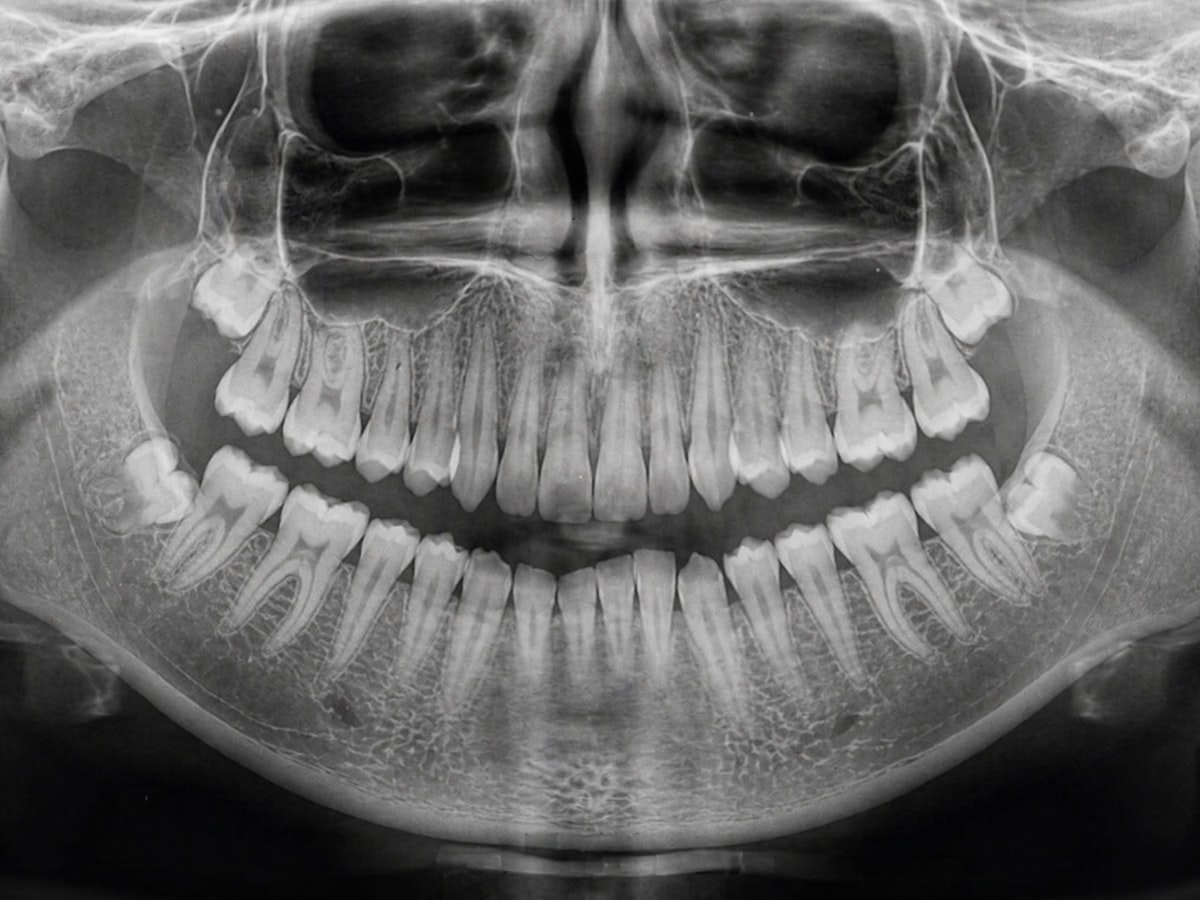
Wisdom teeth are the last adult teeth to develop, usually emerging in the late teens or twenties. By the time they are ready to come https://relaitox.gumroad.com/p/wisdom-teeth-removal-oxnard-ca-local-care-for-safer-treatment-outcomes in, many mouths simply do not have enough room left. That creates a range of issues. A wisdom tooth may erupt normally, partially erupt through the gum, remain trapped under the gums, or become impacted in bone at an angle.
When a tooth only partially erupts, the tissue around it can trap food and bacteria. That often leads to tenderness, swelling, and recurrent infection around the gum flap. Patients frequently describe it as a sore spot that keeps coming back whenever they are run down or chew on that side. Impacted teeth can create a different set of problems, including pressure against neighboring molars, hard to clean pockets, cyst formation in uncommon cases, or damage that is not obvious until it shows up on imaging.
Not every wisdom tooth needs removal immediately. Some are healthy, fully erupted, easy to clean, and not harming nearby teeth. The decision depends on position, available space, symptoms, age, hygiene, and what the X rays show. Good clinical judgment matters here. Removing teeth too casually is poor practice, but waiting too long in the face of repeated inflammation or difficult impaction can make surgery and recovery harder.
Timing matters more than many people realize
One of the most useful pieces of advice for wisdom teeth care is not to wait for a crisis if the teeth are already showing signs of trouble. Younger patients generally heal faster, and the roots may be less fully formed. Bone is often more forgiving as well. That does not mean adults cannot do very well after extraction, because they often do, but recovery can be a bit slower and the surgery may be more complex depending on the tooth position.
A common real world scenario looks like this: a college student comes home for break with intermittent discomfort in the back of the jaw, and imaging shows lower wisdom teeth angling forward under the second molars. Nothing feels urgent, so the decision gets postponed. A year later, one side flares up before a busy work week or a family event, and now the extraction is happening under stress, with active inflammation already present. That is rarely the ideal moment.
Planned treatment almost always feels easier than emergency treatment. If you are considering Wisdom Teeth Removal Oxnard CA, scheduling around work, school, and transportation is part of good recovery planning, not just convenience.
What to expect before the procedure
A proper consultation should answer more than “Do these teeth need to come out?” It should also clarify how difficult the extractions are likely to be, what type of anesthesia or sedation is appropriate, whether the roots are close to important structures, and what recovery restrictions you should expect.
For some people, local anesthesia is enough. Others prefer oral sedation or IV sedation, especially if multiple impacted teeth are coming out at once. The right option depends on the complexity of the case, anxiety level, medical history, and the treating clinician’s recommendations. There is no prize for being tougher than necessary. If sedation makes the experience safer and more manageable for you, that is worth discussing.
If you have medical conditions such as diabetes, bleeding disorders, sleep apnea, or a history of adverse reactions to anesthesia, say so early. The same applies to any medications or supplements, including blood thinners, steroids, certain antidepressants, and even products patients do not always think of as important, such as high dose fish oil or herbal blends. Good preoperative communication reduces surprises.
Questions worth asking at the consultation
- Are my wisdom teeth fully erupted, partially erupted, or impacted in bone?
- How many days of swelling and downtime should I realistically expect?
- What pain control plan do you recommend, and when should I start it?
- What warning signs would make you want me to call after surgery?
- Will I need someone to drive me home and stay with me afterward?
Those five questions cover the issues that most directly affect healing, comfort, and safety. They also tend to reveal how thorough a practice is with patient education.
The first day sets the tone for recovery
Healing starts the minute the teeth are removed. Blood clots need to form in the sockets, and the tissues need quiet, stable conditions. Much of the advice patients receive after extraction sounds simple because it is simple, but it is also biologically important.
Bleeding that lightly oozes for several hours is common. Heavy bleeding that fills the mouth rapidly is not. Biting on gauze as instructed helps compress the sites and support clot formation. Spitting, forceful rinsing, sucking through a straw, and vigorous mouth movements can disturb those clots, especially in the first twenty four hours. That is one reason patients are told to take it easy even if they feel fairly alert after the procedure.
Cold packs can make a real difference with swelling in the first day. They do not erase it, but they often reduce the peak intensity. Keeping the head elevated, even during rest, also helps. A flat position tends to increase throbbing for many patients.
Food is another practical concern. The best choices on day one are soft, cool or lukewarm, and easy to swallow without much chewing. Yogurt, applesauce, mashed potatoes, pudding, oatmeal that has cooled slightly, and blended soups are common options. Very hot foods can increase bleeding early on, and crunchy foods have a talent for finding their way into surgical areas.
Pain control is better when it is proactive
A frequent mistake is waiting until the numbness wears off completely and the pain becomes intense. It is usually easier to stay ahead of postoperative discomfort than to chase it after it builds. If your oral surgeon or dentist gives you a schedule for prescription pain medication, anti inflammatory medication, or both, follow that schedule closely unless you are told otherwise.
For many healthy adults, a combination of medications can control pain effectively without needing strong narcotics for long, if at all. The specifics depend on your medical history, allergies, and the provider’s protocol, so this is not an area for improvisation. Taking more than recommended, mixing medications carelessly, or adding alcohol is a poor trade.
There is also a difference between normal soreness and pain that seems to worsen after initially improving. Most patients feel the first twenty four hours as the most numb and foggy period, then notice swelling and stiffness peaking around the second or third day. That pattern is common. A sudden increase in deep, throbbing pain several days after surgery can signal a dry socket or another issue that deserves a call to the office.
Dry socket deserves respect, not panic
Dry socket is one of the complications people fear most, largely because they hear about how painful it can be. The concern is legitimate, but the term gets overused online for any pain after extraction. True dry socket happens when the protective clot in the socket breaks down or is lost too early, exposing underlying bone and nerves. It is more common in lower extractions, in smokers, after traumatic removals, and in situations where the site is disturbed during early healing.
The key point is this: dry socket is miserable, but it is treatable. It is not usually dangerous. Patients often describe a pain pattern that ramps up instead of down, sometimes radiating toward the ear or temple, with a foul taste or odor. That is different from ordinary swelling and tenderness.
Smoking and vaping deserve a direct mention here. Even patients who are very disciplined about their postoperative instructions can undermine healing with nicotine and suction. If there were ever a time to pause, this is it. A few days without it is inconvenient. A dry socket is worse.
Oral hygiene after surgery needs a gentle hand
People sometimes swing too far in one of two directions after extraction. Some are afraid to clean at all and let the mouth become coated and inflamed. Others brush aggressively near the sockets and irritate the area. Better healing lives in the middle.
The rest of the mouth should still be kept reasonably clean. Teeth away from the surgical sites can be brushed carefully the same day unless your provider says otherwise. The extraction areas themselves usually need a lighter approach at first. Gentle rinsing with salt water often begins after the first twenty four hours, depending on the instructions you were given. The point is not to scrub the socket, but to keep the area from collecting debris while the tissue closes.
This matters more than many people expect. Food packed around partially closed sockets is uncomfortable, and a mouth that is not being cleaned well often feels more swollen and sour. Patients recovering smoothly usually maintain a quiet routine: careful brushing, prescribed rinses if given, and patience.
Eating well without aggravating the sites
Recovery diets do not need to be miserable, but they do need some thought. Too many patients buy only ice cream and pudding, then feel weak and nauseated by the second day because they have had almost no protein, fiber, or substantial calories. The body heals better when it is fed well.
Soft eggs, cottage cheese, Greek yogurt, smoothies eaten with a spoon, mashed avocado, soft pasta, flaky fish, and blended bean soups often work nicely as early options. The trick is to avoid seeds, chips, nuts, popcorn, and sharp fragments that can wedge into the sockets. Rice can also be annoying for some patients because the grains are small enough to hide in healing tissue.
Hydration counts just as much as food. A mildly dehydrated patient tends to feel more headache, more fatigue, and sometimes more nausea from pain medication. Sipping water regularly is one of the simplest ways to improve how you feel.
Swelling, bruising, and jaw stiffness, what is normal?
Swelling is part of the body’s response to surgery, particularly with lower impacted teeth. Some patients have only mild puffiness. Others look noticeably swollen for two or three days. Both can be normal. Bruising along the jaw or down the neck can also happen, especially in fair skinned patients or after more involved extractions. It often looks dramatic but resolves on its own.
Jaw stiffness is another common surprise. Holding the mouth open during the procedure and the local inflammation afterward can make opening widely uncomfortable for several days. Patients sometimes think something is wrong because they cannot yawn normally or fit a large sandwich in their mouth right away. Usually, it improves gradually as swelling settles.
What should raise concern is swelling that keeps increasing sharply after several days, difficulty swallowing, fever that persists, or trouble breathing. Those symptoms deserve prompt professional attention.
Recovery timelines are individual, but patterns are predictable
Patients often ask for a single exact recovery timeline. Realistically, healing happens in stages, and the pace varies with age, health, smoking status, number of teeth removed, and how deeply impacted they were.
Most people can expect something like this:
- Day one is focused on bleeding control, rest, and getting ahead of discomfort.
- Days two and three often bring the most swelling and stiffness.
- By days four through seven, many patients feel clearly better, though still not fully normal.
- Soft tissue closure continues over the next couple of weeks.
- Bone remodeling takes much longer, often several weeks to months, even after the mouth feels fine.
That timeline explains why someone may be back at work in a few days but still notice tiny food traps or mild tenderness later on. Surface recovery and deeper healing are not the same thing.
Special situations that change the plan
Not every extraction follows the standard script. Patients with active gum disease, repeated infections around partially erupted wisdom teeth, limited mouth opening, or teeth lying close to the inferior alveolar nerve may need a more individualized approach. In some cases, imaging beyond routine X rays is used to better understand anatomy. That is not about making the case sound dramatic. It is about minimizing avoidable risk.
There are also times when a staged approach makes sense. A patient with a demanding job, caregiving duties, or limited ability to take time off may not want all four teeth removed at once, even if that is surgically efficient. On the other hand, many patients strongly prefer one procedure, one recovery, and one sedation event. Neither preference is inherently wrong. The best plan balances anatomy, symptoms, logistics, and patient priorities.
If you are older than the average wisdom tooth patient, it is especially useful to have a candid conversation about healing expectations. Adults in their thirties, forties, and beyond often still do very well, but they appreciate a plan that respects the possibility of more soreness or a longer soft food phase.
Choosing a provider in Oxnard with healing in mind
When patients search for Wisdom Teeth Removal Oxnard CA, they often compare offices based on convenience, scheduling, insurance participation, or sedation availability. Those factors matter, but better healing usually starts with something less visible: thorough assessment and clear follow through.
You want a provider who explains the position of the teeth in plain language, reviews realistic risks, and gives postoperative instructions that are specific rather than vague. Good offices also make it easy to call with concerns and do not leave patients guessing about whether their symptoms are normal. That kind of access can prevent a small issue from turning into a miserable weekend.
It also helps when the provider is honest about trade offs. For example, removing asymptomatic teeth can still be appropriate if imaging shows an unfavorable position that threatens future problems, but the reasoning should be explained. Likewise, if a tooth is fully erupted, cleanable, and not causing harm, a thoughtful clinician should be willing to discuss observation instead of defaulting to surgery.
Small choices that consistently improve healing
Patients tend to remember the dramatic part, the extraction itself, but the smoother recoveries usually come from disciplined basics. Rest matters. Hydration matters. Following medication instructions matters. Avoiding nicotine matters. Calling early when something seems off matters.
I have seen two patients with nearly identical extractions recover very differently based on those basics. One went home, kept ice on schedule, ate enough soft protein, stayed hydrated, and resisted the urge to “check” the sockets constantly with the tongue. The other skipped meals, slept flat, vaped because “just a few puffs” seemed harmless, and waited until the pain became severe to take medication. Their surgical difficulty was similar. Their recovery stories were not.
That is the practical lesson people remember afterward. Healing is not mysterious. It is affected, every few hours, by the choices you make.
When to pick up the phone
Most postoperative questions do not turn out to be emergencies, but they are still worth asking. Patients should not feel they are overreacting by calling if bleeding seems excessive, pain is escalating instead of slowly easing, swelling is becoming pronounced after the expected peak, or they cannot keep fluids down. The same applies to numbness that feels unusual, medication reactions, or a fever that persists.
It is always better to clarify early than to wait out a problem that needed attention. Reassurance is valuable when everything is normal, and prompt treatment is valuable when it is not.
Better healing starts before the first incision
The best recoveries begin before the day of surgery. They begin with choosing the right time, understanding the anatomy, arranging transportation and downtime, stocking the kitchen with suitable food, and planning to follow instructions without cutting corners. That may not sound glamorous, but it is exactly what leads to the easier stories people tell later.
For anyone considering Wisdom Teeth Removal Oxnard CA, the central advice is straightforward: do not focus only on getting the teeth out. Focus just as much on how you will heal. Ask good questions, prepare your home, respect the first few days, and stay in touch with your dental team if something feels wrong. Those simple steps do more than improve comfort. They lower the odds of setbacks and help you get back to normal with less stress and fewer surprises.
Oxnard Dentistry
1730 E Gonzales Rd
Oxnard, CA 93036, United States
Phone: +1 805-307-8731
FAQ About Wisdom Teeth Removal Oxnard CA
How much does it cost to get wisdom teeth removed in California?
Fees depend on tooth position, the number of extractions, imaging and anesthesia. Oxnard Dentistry can provide an individual estimate after examining your teeth. Ask for an itemized plan and confirm insurance benefits before scheduling.
Will insurance cover wisdom teeth removal?
Coverage and out-of-pocket costs vary by policy and the treatment required. Ask the dental office and your insurer to verify benefits, annual limits and any authorization requirements. A benefit estimate does not guarantee payment.
Is 30 too old to have wisdom teeth removed?
Age alone does not determine whether extraction is appropriate. A dentist evaluates symptoms, tooth position, oral health and medical history. Healthy, functional wisdom teeth may be monitored; teeth causing disease or other problems may need treatment.